The Future of Live: Experience, Hospitality and AI in Focus
Published on
by Frederik Festner
How residencies, AI and new hospitality concepts are transforming the live experience
The live industry is undergoing a profound transformation. While artists, teams and events themselves once took center stage, the overall quality of the experience is increasingly determining the success of an offering. Guests now expect personalized experiences, seamless digital interactions and clear added value throughout their entire journey.
This shift is not only changing hospitality products but also the way events are designed, marketed and experienced. Emerging formats such as residencies, data-driven personalization and more flexible offering models provide a clear indication of where the market is heading.
In this Insight:
From Event Business to Experience Business
For a long time, the logic of live entertainment was simple: the artist, the team, or the competition was the product. Today, that alone is no longer enough. While these remain the primary reason for attending, guest expectations have evolved far beyond the main attraction. Convenience, personalization, exclusive experiences, and seamless service are becoming increasingly important.
As Hendrik Schiphorst put it during a discussion at the eps ARENA SUMMIT 2026: “The product that was created 20 years ago simply no longer works today. Guests expect personalized experiences, seamless processes, and a clear value proposition. Successful hospitality must therefore be designed consistently from the guest’s perspective.”
The live experience no longer begins at the venue entrance or ends with the final whistle or encore. Ticket purchase, travel, food and beverage, time spent at the venue, and even the journey home are all perceived as part of one connected experience. As a result, the entire guest journey is becoming the product itself.
Why Residencies Are Changing the Live Experience
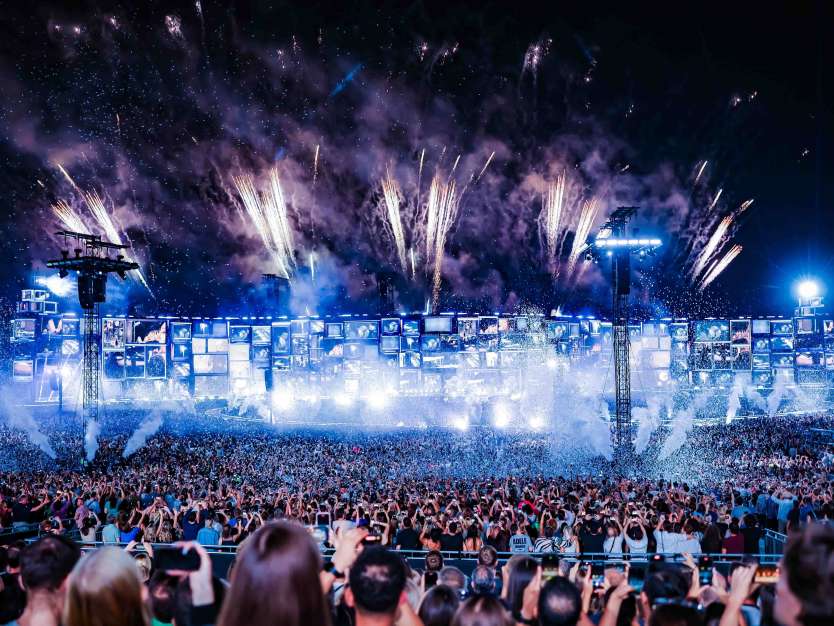
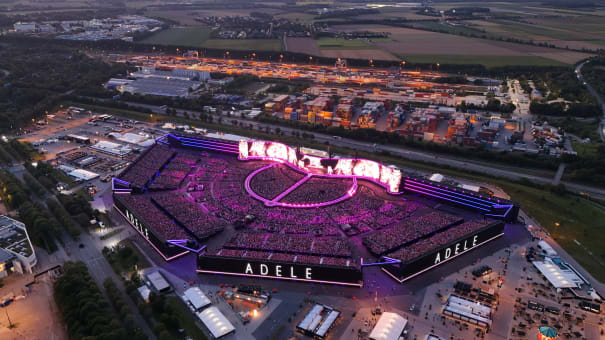
Nowhere is this shift more visible than in the concert business. The rise of so-called residencies is moving the focus away from individual tour stops and toward curated destination experiences. International markets such as Las Vegas have already demonstrated the success of this model, and similar concepts are now emerging in Germany, including the purpose-built arena for Adele in Munich and the Backstreet Boys residency in Düsseldorf.
The impact goes far beyond hosting multiple shows in the same location. A concert becomes a travel occasion, encouraging fans to extend their stay and combine entertainment with dining, hospitality and other local experiences. This creates new revenue opportunities for organizers, venues, hospitality providers and host destinations alike. As a result, live entertainment becomes more predictable, commercially attractive and increasingly embedded within a broader experience ecosystem.
Why the Future of Live Is Becoming More Personal
From Event to Experience
Guests no longer evaluate only the event itself. They judge the entire journey, from ticket purchase and travel to their time at the venue and the trip home.
Residencies Are Creating New Experience Ecosystems
Formats such as Adele’s residency in Munich demonstrate how a concert can evolve into a destination-driven travel and entertainment experience.
The Benchmark Is Netflix
Today’s audiences expect the same level of relevance and personalization they receive from digital platforms in their daily lives.
Exclusive Moments Are Becoming the New Premium Currency
Special access, unique behind-the-scenes insights, and one-of-a-kind experiences create lasting value and stronger emotional engagement.
AI Makes Personalization Scalable
Intelligent systems enable tailored recommendations, services, and offers throughout the entire guest journey.
Hospitality Is Becoming Modular
The future belongs to flexible offerings tailored to specific occasions, audiences, and purchase motivations rather than rigid, one-size-fits-all packages.

Successful hospitality requires a guest-first mindset.
Hendrik Schiphorst, Managing Director at SPORTFIVE Germany
.jpg)
From Standardization to Relevance: The Netflix Effect in Live Entertainment
Expectations of live experiences are no longer shaped solely by other events. Increasingly, the benchmark is being set by digital platforms such as Netflix, Spotify, and Amazon, which have trained consumers to expect content, recommendations, and services tailored to their individual interests.
This expectation is now extending into the live industry. Guests no longer seek access to an event alone. They expect experiences that reflect their preferences, interests, and motivations. Rather than navigating an overwhelming number of standardized options, audiences value relevant recommendations, curated offerings, and experiences that feel personally tailored.
For hospitality, ticketing, and premium experiences, this represents a fundamental shift in mindset. Success is no longer defined by offering the widest range of options, but by delivering the right experience to the right guest at the right moment. As a result, the most successful live concepts will be those designed around relevance rather than standardization, with the guest firmly at the center of the experience.
How AI Is Redefining the Live Experience
Artificial intelligence is becoming a key enabler of this transformation. It creates the opportunity to deliver personalized experiences in an environment that has traditionally been designed for large-scale audiences.
Across the entire guest journey, intelligent systems can support visitors at every touchpoint, from event discovery and ticket purchasing to travel planning, venue navigation, upgrades, and tailored on-site offers. The result is a smoother, more seamless, and more personalized experience for every guest.
At the same time, AI unlocks new opportunities for event organizers and venue operators. Visitor flows can be forecast more accurately, capacity can be managed more efficiently, and products and services can be activated with greater precision. In hospitality in particular, AI enables offers to be tailored more effectively to specific occasions, audience segments, and purchasing motivations.
When data, technology, and experience design are combined effectively, they create a powerful competitive advantage: the ability to deliver personalized experiences at scale without compromising operational efficiency.

Nothing Beats Being There
Access the world’s most iconic sporting events through expertly curated VIP sports tickets, corporate event tickets, and bespoke luxury sports travel, designed for businesses, brands and individuals.
Enquire nowTo purchase hospitality tickets, one common approach is to use exclusive agencies or authorised providers associated with the event or venue. These agencies specialise in offering premium hospitality experiences, including VIP tickets, luxury suites, and special access packages. Here's a general process:
Identify Exclusive Agencies: Research and identify agencies authorised to sell hospitality tickets for the specific event or venue you're interested in. These agencies, such as SPORTFIVE, often have official partnerships with organisers.
Visit Official Event Websites: Check the official website of the event or venue for information on authorised hospitality providers. Many events provide links or details about official hospitality packages.
Contact Authorised Sellers: Reach out to authorised hospitality sellers directly through their websites or contact information. Inquire about available packages, pricing, and any exclusive perks.
Purchase Through Reputable Channels: Ensure you purchase tickets through reputable and authorised channels to avoid scams or counterfeit tickets. Exclusive agencies provide a secure and official means of acquiring premium hospitality tickets, enhancing the overall event experience.
VIP hospitality refers to a premium service and experience offered to individuals attending events, typically in sports, entertainment, or special occasions. VIP hospitality packages provide exclusive amenities, comfort, and access, elevating the overall event experience for high-profile guests. Key features of VIP hospitality may include:
Premium Seating: Access to the best seats in the venue, often offering an unobstructed view of the event.
Luxury Suites: Private suites or lounges equipped with comfortable seating, catering services, and personalised attention.
Gourmet Catering: High-quality food and beverage options, ranging from gourmet meals to exclusive bars and refreshments.
Exclusive Access: Opportunities for meet-and-greets with performers, athletes, or celebrities, adding a personalised touch to the experience.
Amenities and Perks: VIP guests may receive special gifts, event merchandise, or exclusive event memorabilia.
VIP hospitality is designed to cater to the discerning tastes of high-profile individuals, corporate clients, or those seeking an enhanced and exclusive event atmosphere.
A Hospitality/VIP invitation is more than just a ticket: it’s your access to an exclusive fan club and business network. From employee incentivisation to maintaining or forming business relationships, Hospitality is diverse and effective. 72% of VIP guests generate business through the networks in the Hospitality areas. Take advantage of this unique platform by diving into the fervour surrounding the sport and give your customers, business partners and employees an experience they won’t forget.
Business seats combine the exclusive seating in the Hospitality area with the exclusive seating in the stadium’s main stand. You have your seat inside and outside, as well as access to all of the amenities about two hours before and after the match. This includes high-end catering, B2B networking opportunities and, on request, your own table and parking space. You will also be in close proximity to the players and club officials.
An exclusive box for up to 20 people is like your personal living room in the stadium. You and your guests can enjoy an open view of the pitch from your box’s glass window, with a door leading straight to your balcony seating. You can arrange your box to best present your brand, and even place your logo on the front of the box so that it can be seen from inside the stadium. High-end catering, personal service, access to all of the other Hospitality areas, and personal parking are included, and your box is furnished with television sets. You can even use your box for company events, meetings and more on non-match days.
Measuring the success of sports marketing activities involves assessing various key metrics and indicators that reflect the impact and effectiveness of campaigns. Here are key elements to consider:
Brand Awareness
Metrics: Tracking changes in brand awareness, recall, and recognition
Indicators: Increased mentions, positive sentiment, and improved brand recall among the target audience
Audience Engagement
Metrics: Monitoring likes, shares, comments, and overall engagement on social media platforms
Indicators: High levels of fan interaction, user-generated content, and social media impressions
Fan Base Growth
Metrics Tracking the growth in the number of followers, subscribers, or members
Indicators: Increasing fan base size on social media, email subscriptions, or official fan club registrations
Reach and Impressions
Metrics: Measuring the overall reach and impressions of marketing content
Indicators: High views, shares, and impressions across various channels and platforms
Conversion Rates
Metrics: Analysing the conversion of audience engagement into desired actions (e.g., ticket sales, merchandise purchases)
Indicators: Increased conversion rates and positive trends in desired actions
Return on Investment (ROI)
Metrics: Calculating the financial returns relative to the investment made in the marketing campaign.
Indicators: Positive ROI, where the revenue generated exceeds the marketing expenses.
Social Media Analytics
Metrics: Utilising platform-specific analytics for likes, retweets, shares, and follower growth
Indicators: A steady increase in engagement metrics and positive trends in follower growth
Website Traffic and Conversions
Metrics: Monitoring website traffic, page views, and conversion rates
Indicators: Increased website visits, longer time spent on site, and higher conversion rates
Brand Sentiment
Metrics: Analysing sentiment analysis tools to assess the overall sentiment towards the brand
Indicators: Positive shifts in sentiment, indicating a favourable perception among the audience
Partnership Impact
Metrics: Assessing the impact of sponsorships and partnerships on both brands involved
Indicators: Increased visibility, positive brand associations, and successful activation of sponsorship agreements
In-Game or Event Metrics
Metrics: Analysing in-game or event-specific metrics, such as attendance, TV viewership, and in-stadium engagement
Indicators: Positive trends in event-related metrics and overall fan experience
Surveys and Feedback
Metrics: Utilising surveys and feedback to gather direct opinions from the audience
Indicators: Positive feedback, high satisfaction levels, and insights for improvement
By assessing these metrics and indicators collectively, sports marketers can gain a comprehensive understanding of the success and impact of their marketing activities, allowing for data-driven adjustments and improvements in future campaigns.
SPORTFIVE offers a comprehensive range of services that go beyond standard sponsorship deals. The agency provides full sponsorship consulting, activation, and sales, ensuring that brands receive strategic, tailored advice at every stage of the sponsorship process. The global presence and data-driven approach makes SPORTFIVE the preferred partner for brands looking to make impactful investments in sports.
Learn more about the service offering here
SPORTFIVE works across a wide spectrum of sports, including football (soccer), basketball, esports, motorsports, tennis, and more. The global presence allows SPORTFIVE to connect brands with top-tier sponsorship opportunities in almost any sport.
